Author: anthonybehan

Researching state legitimacy, AI, identity, critical theory, and how technology changes personal identity and the nation state. One wife, three dogs, six guitars, and a seldom used trombone. Work for IBM but this is completely independent of that.

Guilt, Anxiety and Glory in the Anthropocene

Dr Joanna Zylinska of Goldsmiths university was interviewed recently on the Cultures of Energy podcast, in the context of her 2018 book The End of Man: A Feminist Counterapocalypse. The short book considers technology and techno-utopianism, with its attendant myth of progress, and feminism, in the context of the climate crisis and coming transformations. There are a thousand different ideas in there, but the words that kept resonating for me as I listened were guilt, anxiety and glory. I’m not sure if I fully grasped everything she said – I’ll listen to the podcast again later, and I’ve ordered the book – but if you’re interested in reading this, you should try and find time for the podcast.

The first word that resonated was guilt. The crushing order of our species is one that insists on a perceived failure, in the face of extraordinary opportunity. We have caused the climate crisis, because of our myopia, our greed, our self-centered nature. Not just that, but economic precarity, global inequality, and the generally poor state of the world today. It’s all in there: despite magnificent technologies and epoch-defining political structures, we have persistently failed to progress.

The second word was anxiety, perhaps less dwelt upon in the podcast (we’ll see about the book) but this pearl-clutching and hand-wringing at our impotence in the face of such enormous challenges: we can fight against fossil fuel consumption, but not at the cost of our way of life. We won’t pay more for bread; that lesson was learned in Paris more than two hundred years ago. So how is real change effected? We are stuck in this dreadful mess, somewhat in denial of our latent hypocrisies.

The third word was glory. Our experience of the world is increasingly mediated by machines: sleek, bright, shiny, airbrushed. It is an artificial world, a made up world, a sanitised non-existent reality that is magnificent! Our politics, our sports, our media are all relayed to us as absolutes, binary versions of life that are simply excellent. There are few grey areas: bad guys are invariably bad; good guys, if they do bad things, do them for good reasons. You’re either with us, or against us. This world presented to us is a world of perfection, a mortal impossibility, only sustainable as a utopian representation, a theological dream: this is the world as in some abstract, objective, good sense it should be. All hail the shiny screen, the tinselled glimmer of the comforting unreal.

This of course has echoes of the bewilderment I’ve written about before, the dichotomy of one the one hand extraordinary technological and even socio-political achievement, eulogised in media and the salvational elements of which are extolled by politicians; and on the other hand, accelerating inequality, impending climate catastrophe, and political apathy and disenfranchisement that delegitimises the so-called ‘public’ sphere.

Zylinska also published a short film – Exit Man – which is worth a look. Her adventurousness in terms of media and platform is praiseworthy, as she considers avenues outside the academic mainstream to connect and communicate: in this time where experts are rejected, and public intellectuals appear to have vanished from the stage, we need new mechanisms to inject thoughtfulness into our politics.

Falling Down

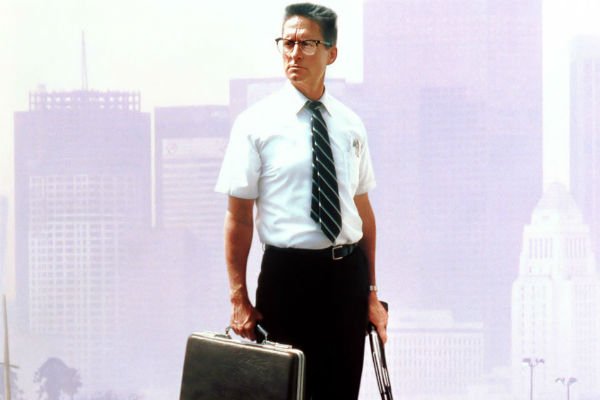
In Martin Heidegger‘s Being and Time, he refers to verfallen as a characteristic of being, or dasein. It means fallen-ness, or falling prey, an acknowledgement that we do things not because we want to do them, but because we must; we act in particular ways, we fall into line, we do jobs, have families, get a mortgage and a pension, obey the law and so on. We consciously engage with the systems and societies into which we have found ourselves. It is surprising how frequently this concept of ‘the fall’ emerges in philosophy, theology and popular culture.

Continue reading “Falling Down”

Judgement, Certainty and Theories of Value

In a recent high court case in Ireland, a Judge in the High Court ruled in a precedent-setting decision that in delivering an ‘all-clear’ result from a cervical smear test, the lab should only do so in cases where they have absolute certainty. The language used has raised significant concerns, as such a threshold is seen as too high to reach. As cancer specialist Prof Donal Brennan told RTE, there’s very little that is absolute in medicine; one presumes he was thinking of death as the sole exception to the rule. The reaction briefly opened up a dialogue on science and knowledge, truth and epistemology, revealing a fundamental flaw in the human condition, and just as quickly it closed again.

Continue reading “Judgement, Certainty and Theories of Value”

Van Gogh @ Tate Britain

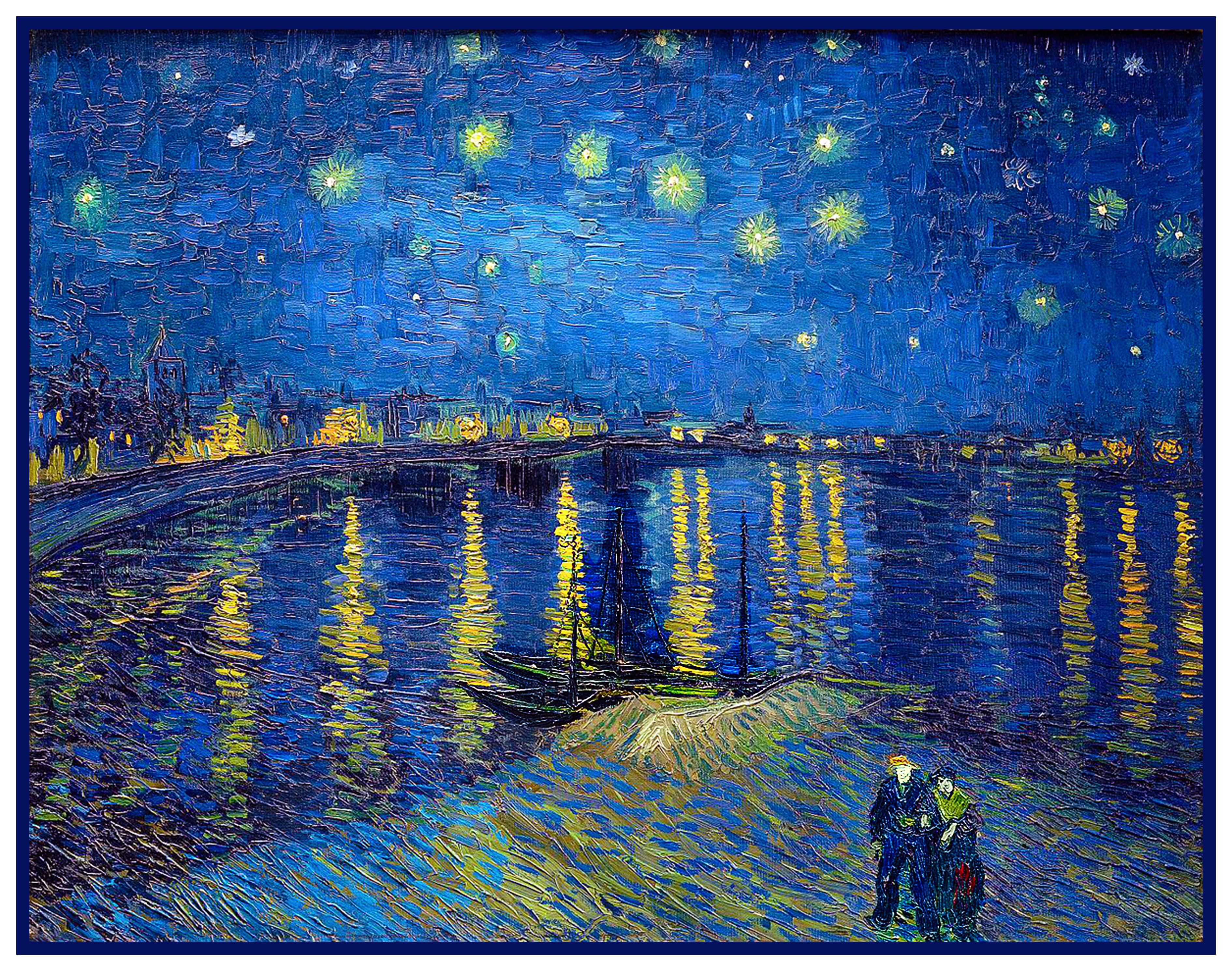
Vincent van Gogh, Starry Night Over The Rhone: such a lovely picture! But is that all? Sadly, perhaps, yes.

There are two aspects of the Tate Britain show ‘Van Gogh and Britain’ that to my mind are remarkable: first, the extent to which the artist himself is sensitive, but shallow; and second, that the connection with Britain is somewhat forced. Van Gogh is a painter of landscapes, flowers, and people, who introduced innovations in brush strokes and impasto, with occasionally fauvish colours that were radical in their time. Stylistically, van Gogh is instantly recognisable, with his wavy lines and deliberate forms; but where is the depth?

Continue reading “Van Gogh @ Tate Britain”

World Religions and AI

There are practical, ethical and theological challenges for religion posed by technology and AI. But what if the technology is actually becoming theological in itself?

AI poses several challenges for the religions of the world, from theological interpretations of intelligence, to ‘natural’ order, and moral authority. Southern Baptists released a set of principles last week, after an extended period of research, which appear generally sensible – AI is a gift, it reflects our own morality, must be designed carefully, and so forth. Privacy is important; work is too (we shouldn’t become idlers); and (predictably) robot sex is verboten. Surprisingly perhaps, lethal force in war is ok, so long as it is subject to review, and human agents are responsible for what the machines do: who those agents specifically are is a more thorny issue that’s side-stepped.

Continue reading “World Religions and AI”

AI and Las Meninas

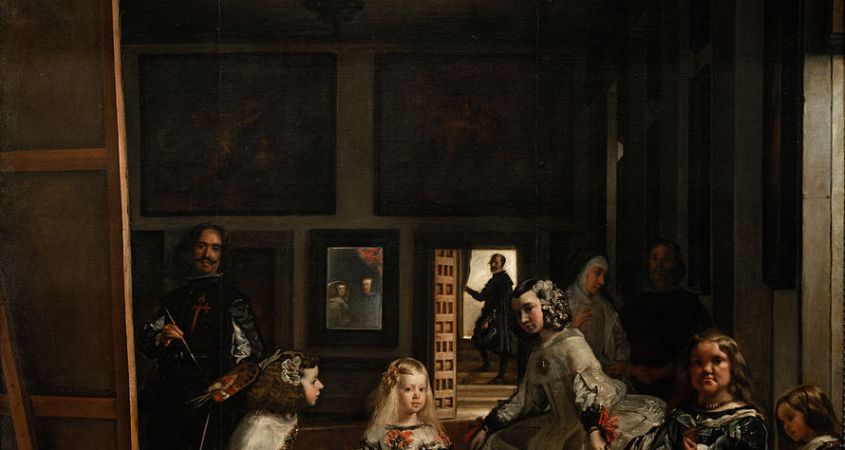
Tomorrow I’m going to visit Las Meninas at the Prado in Madrid, and I hope to learn something about how we are designing AI machines. How can a painting from 1656 and a technology from the twenty-first century have anything in common? Well, in a sense, both address the problem of subjective and objective reality, perspectives on the world and on memory. Diego Velazquez would have been an outstanding AI ethicist!

Continue reading “AI and Las Meninas

Two Theories of Art

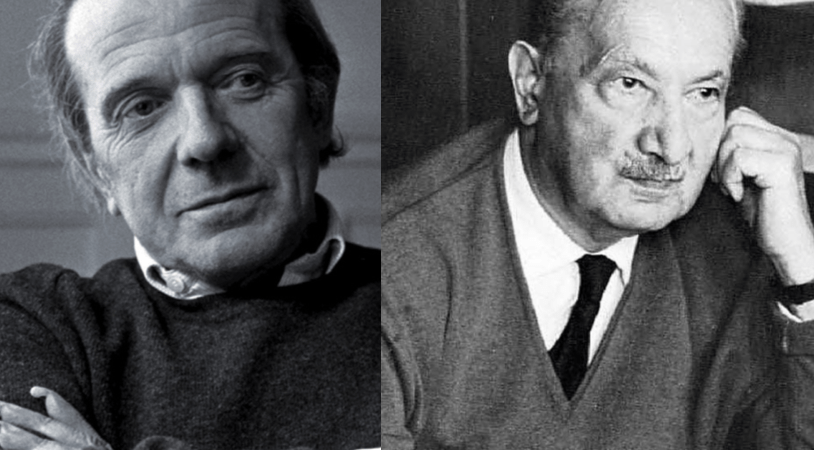
The recent BBC revisiting of the history of art – Civilisations – is fascinating for its juxtaposition against the 1969 predecessor by Kenneth Clark. The new version tries to be genuinely global, post-imperial, and generally woke, so to speak. However, it doesn’t quite get to the philosophy of the creative act, the artistic imperative. The series grapples with consequences and politics, with religion and hierarchy, but not really with any philosophy of art, or questions of meaning. The interpretations of Martin Heidegger and Gilles Deleuzes, while diametrically opposed in some ways, are illuminating on the subject.

Heidegger’s view (specifically on Modern Art) was that it was essentially destructive. In a 1956 Der Spiegel interview, published after his death ten years later, he argued that just as philosophers could not prescribe a new condition for humanity to confront modernity, art had no suitable perspective from which to contribute. Art in essence, as I read his comments, compounded the inherent entrapment of the modern, further distancing us from our essence, or being.

Continue reading “Two Theories of Art”

AI Reshaping Reality

I finally did the TEDx talk at Ballyroan Library a few weeks ago, and the video has just been published. As I’ve considered the impact of technology on politics generally, and AI on society more specifically, it seems to me that the most significant impact is on meaning, and understanding, on our systems of knowledge and epistemology. This crystallised somewhat in the talk. It was necessary for the format to simplify the ideas somewhat. I think at least in part that worked.

On Walls and Dominion

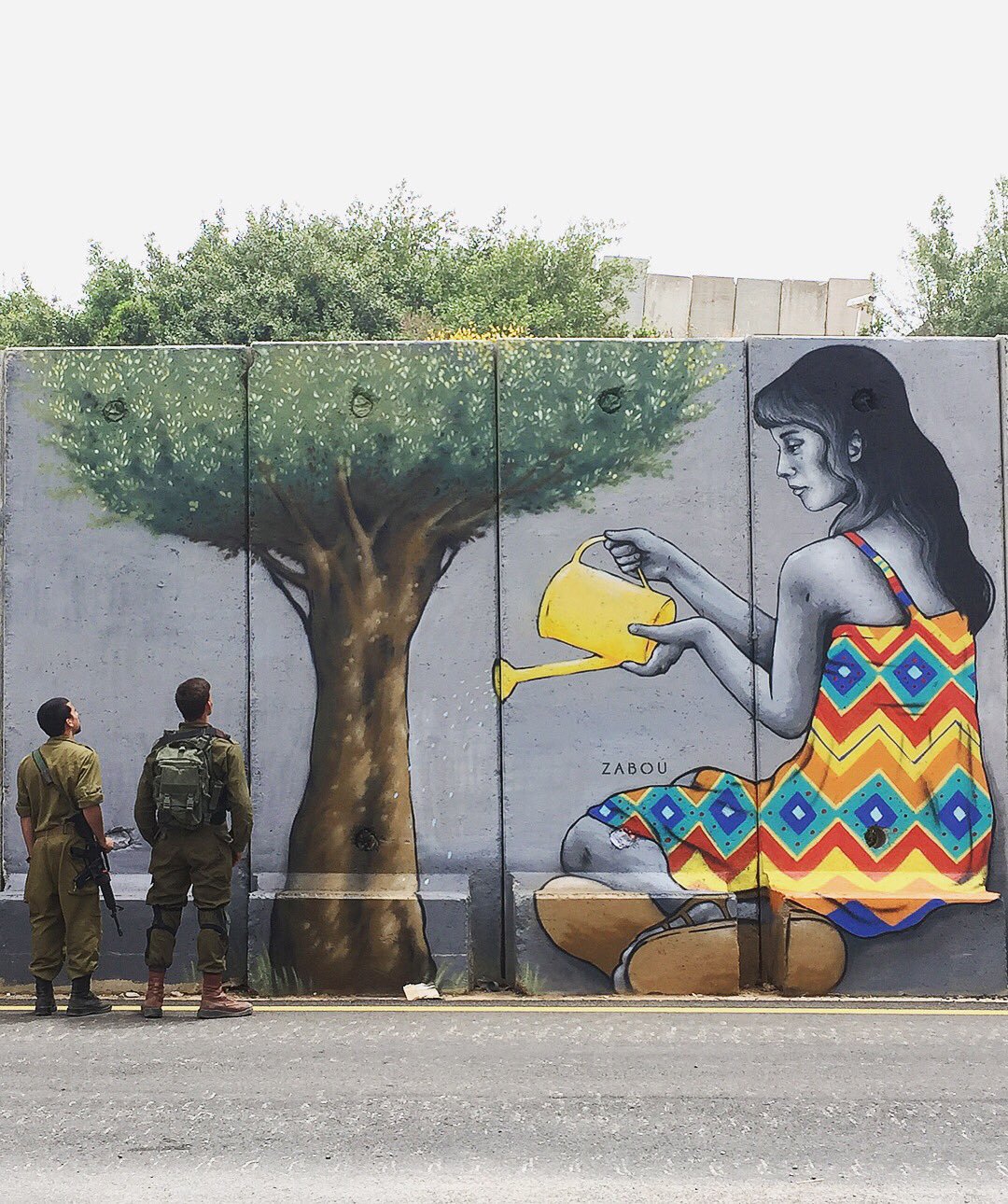
Border wall
“In Bloom” – Zabou – 4x6m – Shtula, Israel – 2018; and Artists for Israel.

Ursula LeGuin’s outstanding novel The Dispossessed begins with the simple line ‘There was a wall.’ It is a setup to a binary exploration of us and other, rich and poor, anarchist and industrialist, on two different planets, Urras and Anarres. Walls are physical structures just as they are dividing lines; LeGuin’s wall was of ‘uncut rocks roughly mortared.’ Others are literal blocking mechanisms, such as the walls of prisons, to keep people in, and the walls of old towns, to keep people out. Still others are borders, political objects designed to designate territory and zones of control. These are man-made impositions on the earth, statements in technology announcing our collective will.

Continue reading “On Walls and Dominion”

Machine Generated Illusions of Intimacy

Later this week I’m speaking to the UCC conference on Eco-cosmology, Sustainability and a Spirit of Resilience, on the subject of ‘Machine Generated Illusions of Intimacy’, about the challenges of modernity and computational epistemology. Here’s a sneak peak.