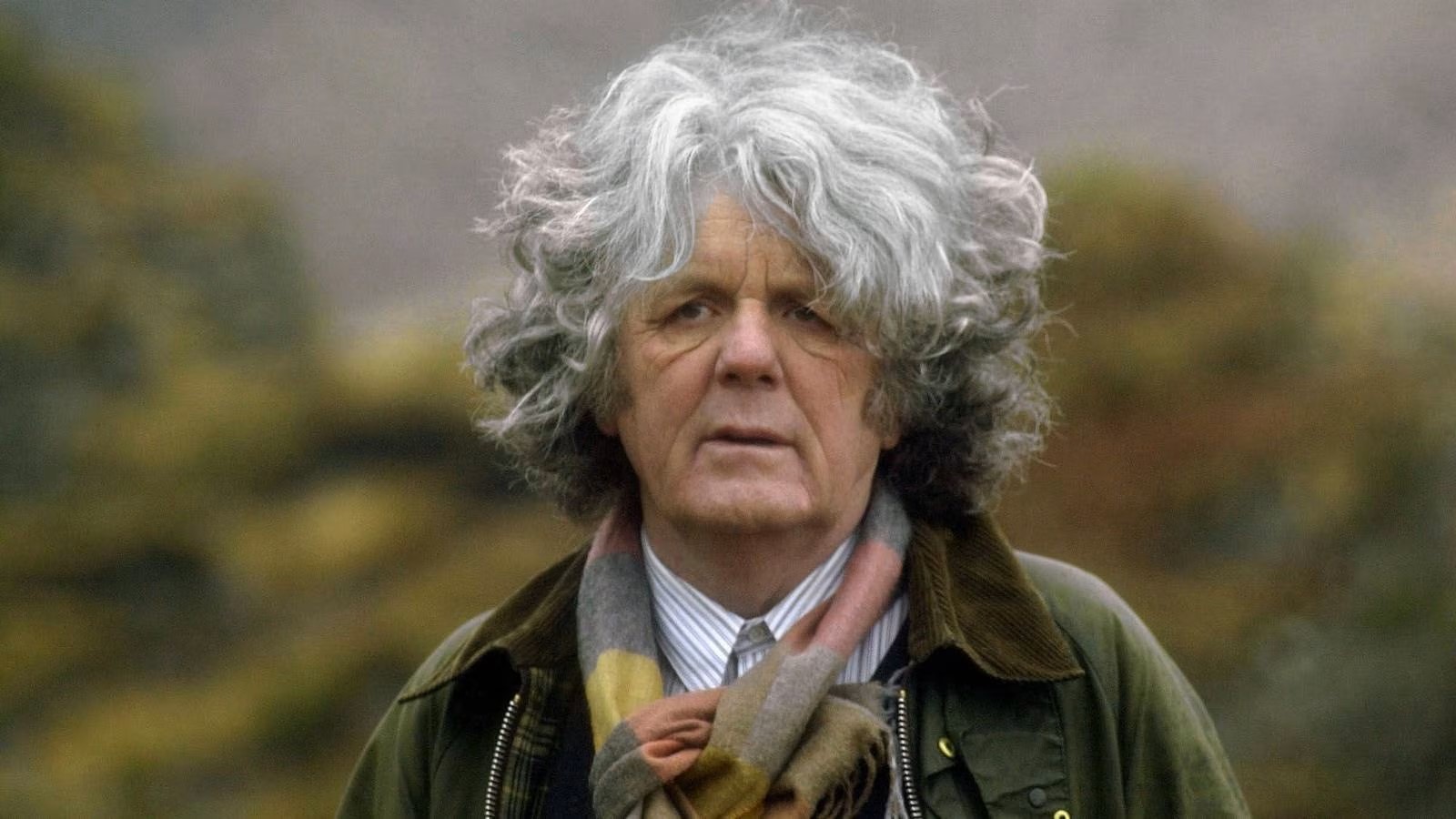
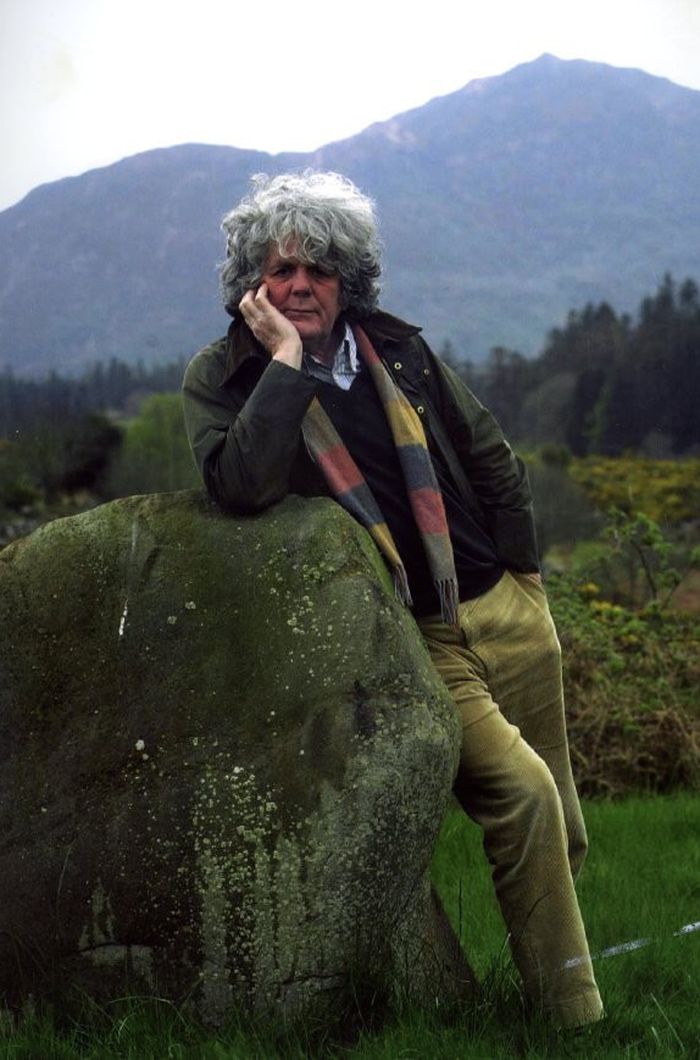
John Moriarty, the Irish philosopher and mystic, was as detached from the physical world as a philosopher can be. He chose to live remotely; that is, outside of the city, though he had travelled some as a younger man. In later life, he returned to his roots in Kerry, where he was buried – near Muckross – in 2007. In reading and studying Moriarty recently, I was struck by how familiar his work seemed to be, and how it danced across the gamut of modern western philosophy and philosophers.
In considering environmental ecologies – independent, perhaps, of humans – John Moriarty uses the concept of the rhizome, to make a point, about the rootedness (or otherwise) of things. ‘Unlike the dandelion,’ Moriarty says, ‘we have now no rhizome, no rhiza, no root, down into the nourishing earth.’ He laments in the same piece how the human mind is merely clever, impoverished in some ways by its ignorance of alternate, ecological sensibilities. I’m trying to identify the actual source, though I think it’s from Night Journey to Buddh Gaia. Moriarty wonders, just before this reference, whether – just as dandelion and the groundsel has their etymological roots in French and old English, respectively, each with its own eternal story (the dandelion from ‘tooth of a lion’) – these plants had their own names ‘among the leeches who tended the warriors who had been wounded at the Battle of Maldon.’ It is as if, in some way that is strange-to-us, the leeches had their own version of the academy, their own epistemic basis for understanding the world and their role in it. Moriarty’s vision is nothing if not all-encompassing!
 State Legitimacy