Astonishing photo from Syria by Harold Doornbos. Makes you think about why we fight, what we fight for, and what price is worth paying for so called freedom.
I took this picture recently in Latakya-countryside (Syria) at a house where rebels and their families live. This little girl was sitting between guns as rebels prepared to go to the frontline.
Serge Halimi is the editor of Le Monde Diplomatique, a kind of internationalised politico-philosophical publication from LeMonde featuring articles on international affairs and globalisation. He is unrepentantly left wing, and in his May column, he unloads both barrels into what he perceives as a global elitist hegemony, The Tyranny of the One Per Cent. His analysis is unusual in one respect, however. It is an attack on a system, rather than its people; it is not lamenting greed (a kind of anti-Gordon Gekko) and is not so much bitter as it is critical. Throughout the piece he constructs a compelling argument in the French Republican tradition – that eighteenth Century revolutionary philosophy that has – perhaps unintentionally – led us all to where we are today. Continue reading “A New Troika: Inequality, Sovereign Decline and Democratic Deficits”→
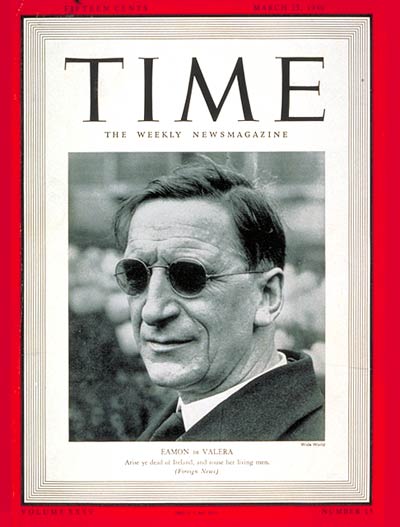
Eamon deValera on the front Cover of Time Magazine in 1940, shortly after the plebiscite that adopted his 1937 Constitution, Bunreacht na hEireann
An interesting opportunity has presented itself in my native jurisdiction in the form of the Constitutional Convention and its upcoming deliberations on the Electoral System. Notwithstanding the Justice Minister’s comments on the national radio station this morning, where he was – at best – non-committal on the notion of bringing forward a constitutional referendum on Marriage equality despite the overwhelming vote at the convention, there appears to be a de facto legitimacy attaching to the convention through its deliberate and measured process, and quasi-legislative approach. If any proof was needed of this, it was in the structure of Senator Mullen’s attack on the result of yesterday’s vote – a strong Catholic advocate, and predisposed to oppose marriage equality, Mullen’s response was not to attack the virtue or otherwise of the decision, but the process by which it was reached. In attempting to undermine the process, he was directly attacking the legitimacy of the institution (and convention members would do well to refer to it as such) in order to mitigate its impact on the legislature that have retained the final say. Continue reading “Electoral System Reform in Ireland”→
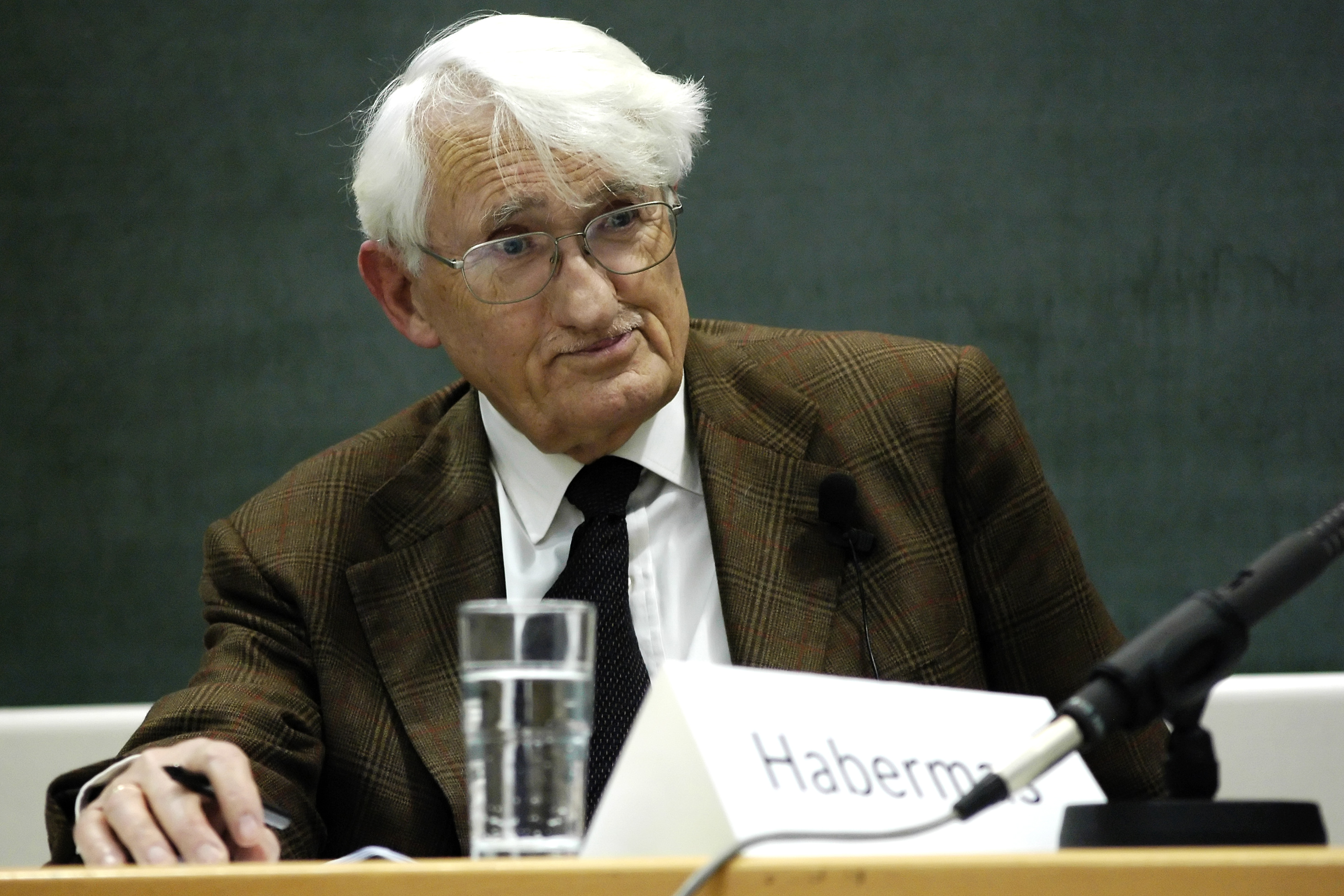
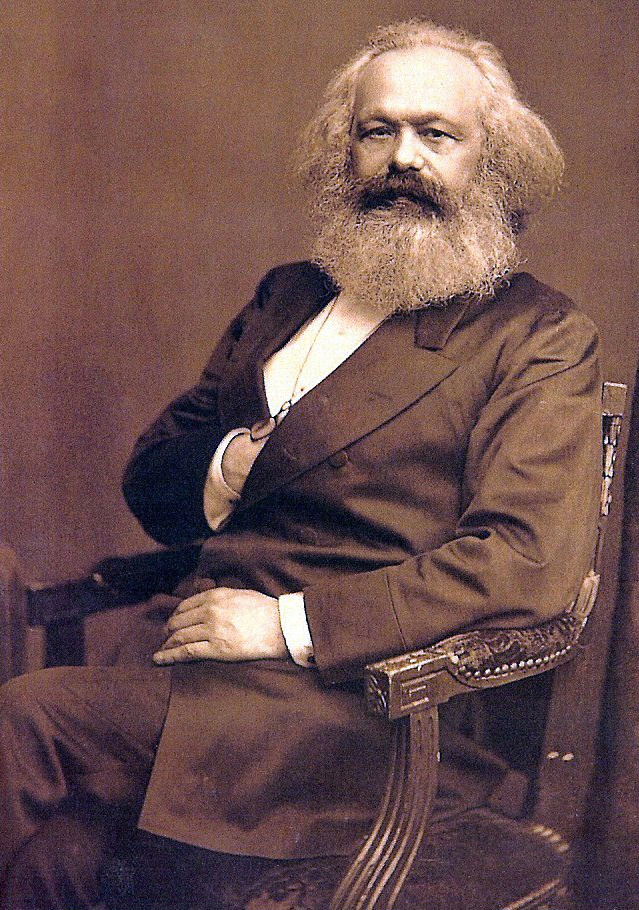
Juergen Haberman: The German neo-communist informs a considerable part of German thinking on Europe, though one suspects from his writing that he is not too pleased with German strategy on the Crisis.
I’ve been reading Juergen Habermas slim volume The Crisis of the European Union: A Response, and I have to say that it is an exceptional read. Not only is it very accessible – important, if you’re trying to send a message to politicians – but it is equally concise. These are big thoughts, and grand ideas, and it is easy to get bogged down. Highly recommended to everyone reading this – if you’re interested in my blog, Habermas is a must. These are some of the notes I took on the Preface.
Outgoing Chinese Premier Wen Jiabao: “Social strains are clearly increasing.”
Outgoing Chinese Prime Minister Wen Jiabao today added his voice (not for the first time) to those warning against rising inequality as a threat to China’s development. Imbalances in economic growth he warned were threatening the success of the economy. “We must make ensuring and improving people’s wellbeing the starting point and goal of all the government’s work, give entire priority to it and strive to strengthen social development,” he added. It is a common refrain, and one that goes to the root of modern statecraft.
Janina Ramirez: Her series on the Hundred Years War on BBC4 is revealing on the legitimation of the King.
Much of the history of the infrastructure of State harkens back to feudal and older systems of clan based fealty, where one clan is in the ascendant, and brings other clans under its wing, and the head of the clan asserts a right to rule through strength and politics. Francis Fukuyama talked a lot about that in his book on The Origins of Political Order. This kind of authority is still seen today in monarchial type totalitarian states like Saudi Arabia and (formerly) Ba’athist Iraq. There are some similarities with Bashar al Assad’s Syria, but they are limited. Wiliam Dalrymple‘s latest book Return of a King reminds us that Hamid Karzai, the current leader of Afghanistan, comes from the same tiny sub-tribe from whence the original ruler of Afghanistan hailed during the British War there in 1839. The Divine Right of Kings was a principle that emanated from Reformation Europe, and in particular from a Theologically thin doctrine hastily assembled to facilitate Henry VIII. This doctrine was in a sense the harbinger of modern secularism; the French Revolution abhorred the gap between rich and poor, and questioned how righteous the King really was, ultimately resulting in the schism between Church and State.
Seán Lemass, Taoiseach of Ireland 1959-1966. Lemass believed Ireland had given up its sovereignty to the International Community in the years after World War II.
Ireland has had a well documented, rather turbulent recent economic history. Following on from the bursting of the property bubble and the attendant banking collapse, an extraordinarily myopic political decision to nationalise the exposure of the banks led to a sovereign debt crisis, and, ultimately, a bailout from the troika of the IMF, ECB and European Commission. Apart from the loss of money, there was plenty dramatic wailing about the loss of National Sovereignty, and references to the War of Independence and the heroes of 1916 and ‘is this what they died for?’ rhetoric. There was even a nuance to the sovereignty question, in that the country had lost her economic sovereignty, whatever that meant.
Now, politics has always had an uneasy alliance with the propriety of language, bending it to its will as any situation may have seen fit. The distinction between economic sovereignty, and other sovereignty, one supposes, is that while we’re not necessarily allowed to award pay rises to civil servants, we are still permitted to invade England. At least we have that, I guess. Of course, the extent to which we are – truly – permitted to invade England is limited in exactly the same way as our freedom to spend money has been limited. It is not a flat prohibition on action through coercive or other power that has limited what Ireland as a State can do; it is the threat of exclusion from international systems upon which we have become irrevocably dependent that limits our action.
Charles Moore’s article in the Telegraph yesterday caused something of a stir. Equality, he said, was not really a good thing at all. What’s that you say? He must be an elitist! How uncool is that! Well, essentially he was arguing that in the context of women in the army, and in particular on the front line of the army, that it was one step too far. Women just are not as strong as men, and therefore shouldn’t be there. His argument weakened when he extended it into civil partnership, defining marriage in terms of the legal structures for its dissolution, which appears to me to be something of a non sequitur. In essence, Moore misses the point that ‘unconventional’ couples are not seeking access to the institution, but rather to its attendant rights; indeed, they are seeking to fundamentally alter the institution, and make it more inclusive, rather than simply more equal.
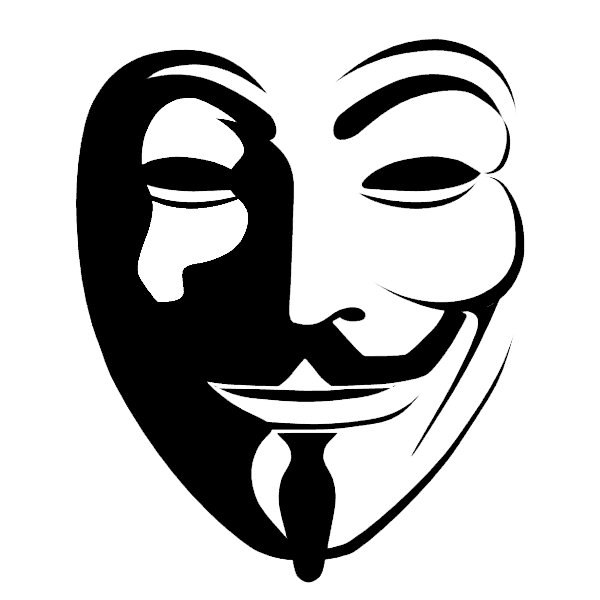
Anonymous: Abstract Technological Representation of the Excluded
As mentioned in my last post, Zizek identifies four apocalyptic antagonisms that threaten the liberal democratic status-quo. They are ecology, technology, property and equality. In relation to the technological post-human dystopia, Zizek attributes a leadership role to Ray Kurzweil, a noted thinker in technology futurism. There are two kinds of post-humanism, it appears – a kind of robotic, artificial intelligence future as described in the fiction Asimov and the Terminator movies, and a bio-genetic technological Armageddon of which I’m less familiar.







 State Legitimacy